Skip to content

#1 Dealer and Distributor for ThermaRay Products in the US

Warm Radiantly! From the Floor or Ceiling

Premier Energy USA designs and provides ThermaRay heating systems for residential, commercial, industrial, agricultural buildings and hot yoga studios.

Experience
25+ yrsThermaRay Experience
Track record
45+ yrsNo failed systems
LEED
12LEED Points Available
Where ThermaRay radiant heat is installed Cutaway of a house in winter showing six radiant heating systems: thermal mass heat under the basement slab, floor joist heat under the main floor, floor warming under bathroom tile, radiant ceiling heat above the upstairs ceiling, a metal radiant heater hanging in the garage, and snow melting under the driveway. Radiant Ceiling Floor Joist Heat Thermal Mass Floor Floor Warming Metal Heaters Snow & Ice Melt
6 ThermaRay applications, click one to see how it works.

Radiantly Heat Every Room

New construction, remodel or retrofit. Each system and controls are custom designed for each space.

Under a concrete slab

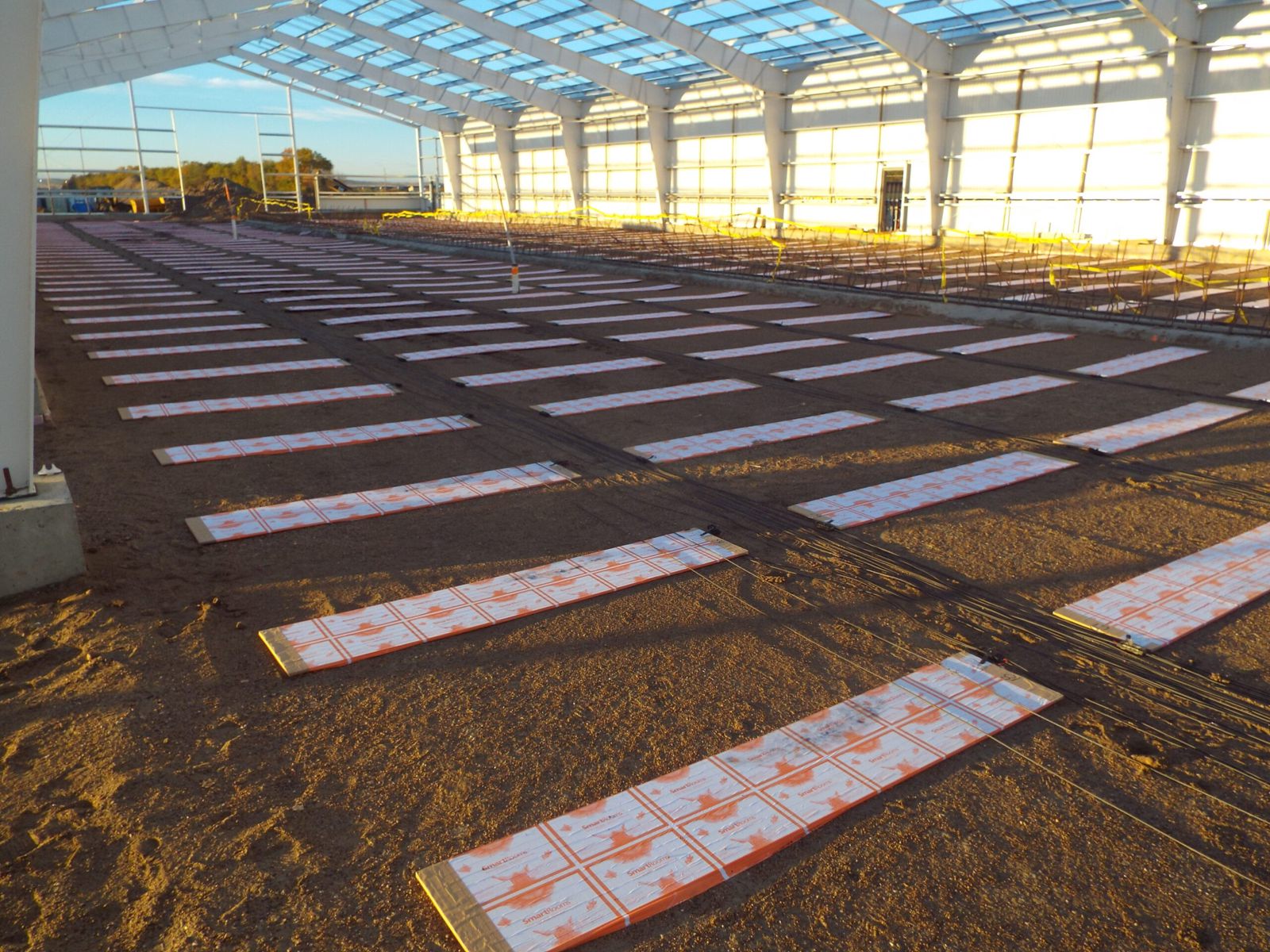
Thermal Mass Storage Floor Heating

Panels go in below the slab and turn the concrete and the ground under it into a heat battery 2 to 2½ feet deep. The bigger the mass, the longer it holds heat and the less it costs to run. It charges on cheaper off-peak power and releases heat all day.

Best for
Slab-on-grade homes, basements, shops, warehouses, factories
Role
Primary heat
ThermaRay thermal mass heating panels laid out on sand before the slab is poured at McKenzie Electric Coop

Above the ceiling

Radiant Ceiling Heat

Panels lay between trusses or rafters, just above the drywall. They warm the floor, walls and windows the way sunlight does. Ideal when you can't tear up a floor.

Best for
Remodels, retrofits, new builds
Role
Primary or supplemental

Under the subfloor

Floor Joist Heating

Panels hang between the floor joists below the subfloor, so the floor height doesn't change. A good fit over basements and crawl spaces.

Best for
Existing homes, additions
Role
Primary, supplemental or luxury

Under tile, stone or wood

Floor Warming

A thin heating cable goes on top of the subfloor or an existing slab, under almost any flooring. It's the lowest-profile cable in the industry.

Best for
Bathrooms, kitchens, slab remodels
Role
Primary, supplemental or luxury

Surface mount, hanging or T-bar grid

Architectural Series Metal Heaters

Slim radiant metal panels that mount to a surface, hang from the structure or drop into a 2×2 or 2×4 ceiling grid. Heat lands exactly where people work.

Best for
Garages, shops, offices, entries
Role
Primary, supplemental or spot

Under concrete, pavers or asphalt

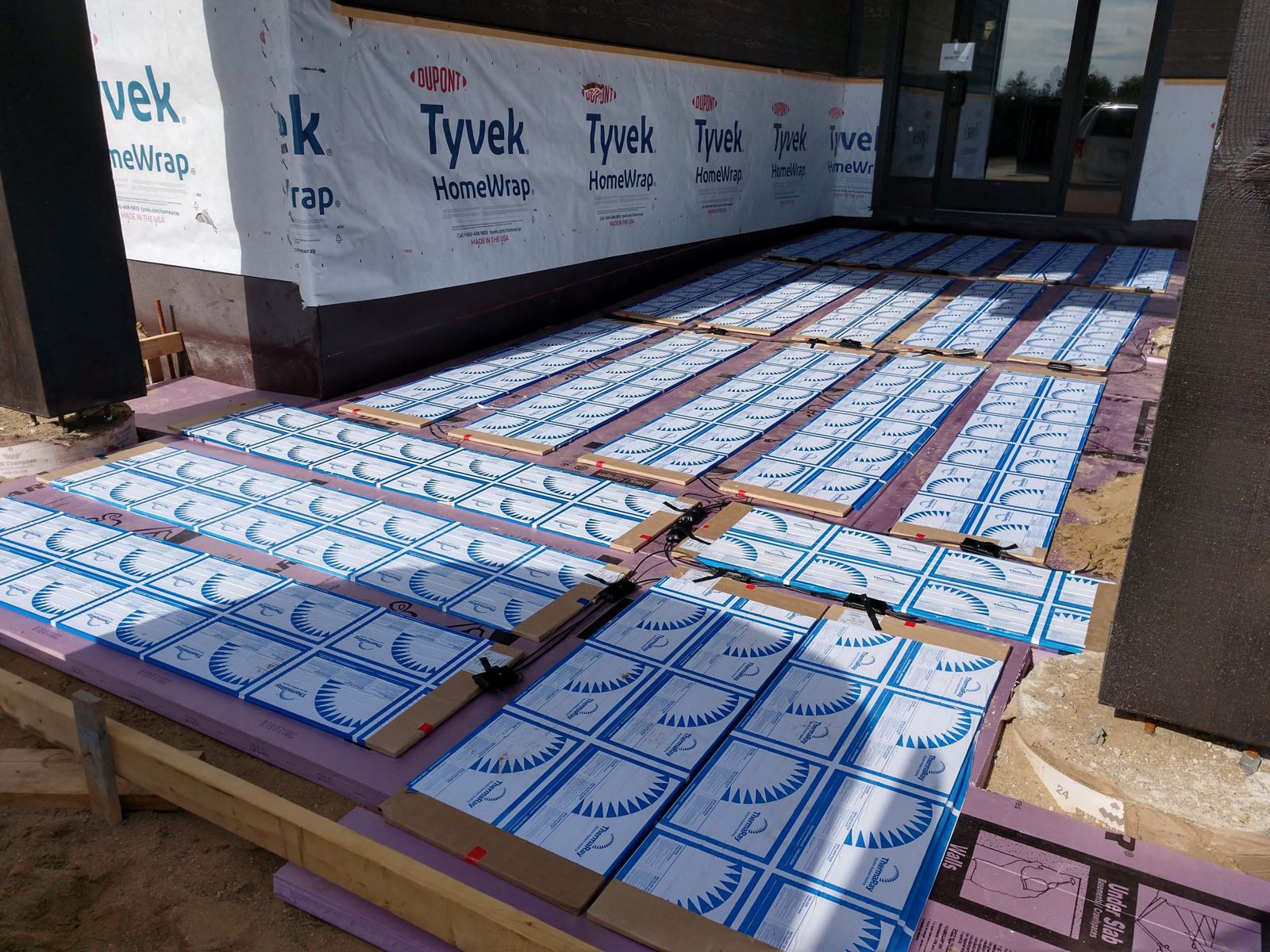
Snow and Ice Melting

A limited mass system that sits below the wear surface instead of being poured into the concrete. That protects it from the cracking, heaving, shifting and salt that destroy embedded systems. Sensors watch moisture and temperature and turn it on before snow sticks, so there's no shoveling, plowing or salt.

Best for
Driveways, sidewalks, ramps, entrances, loading aprons
Role
Automatic snow and ice removal
ThermaRay snow melting panels laid out before pavers are installed at a building entrance

Heat the people and objects, Not the air.

Radiant heat works like sun's rays. The warm radiant ray's travel in straight lines and warm whatever it sees (People and Objects). Forced air and convection systems warm the air and that hot air rises.

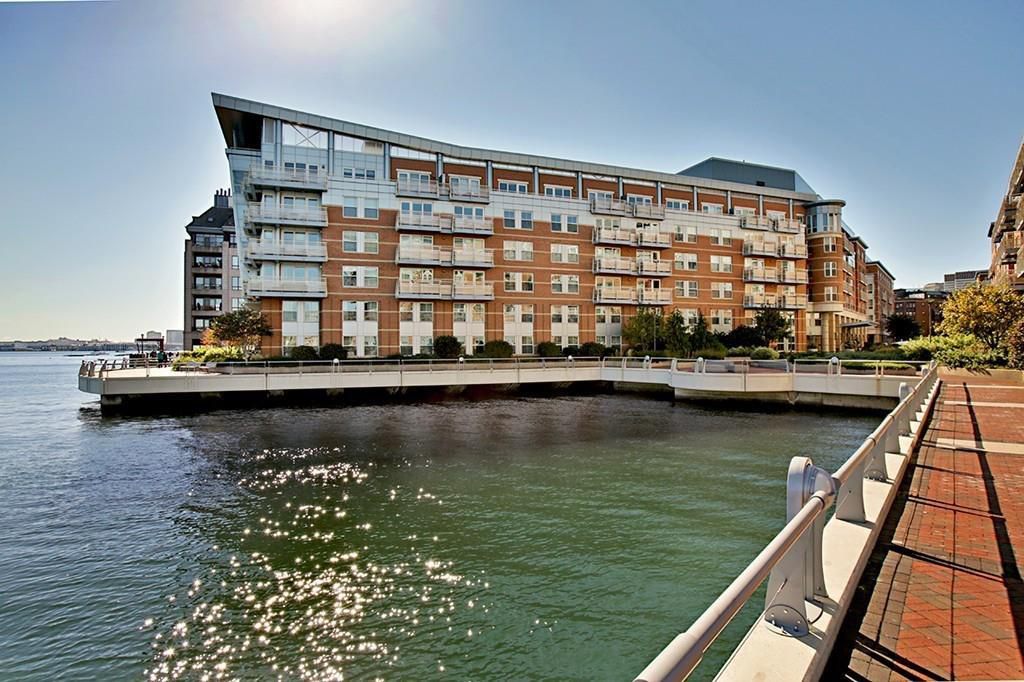
Battery Wharf condominiums on Boston harbor
At Battery Wharf in Boston. The radiant ceiling panels warm the windows and walls making it comfortable to look out at the Harbor in Winter
  • Warm feet, cool head

    Radiant heat keeps the warmth at the floor and the air at head height comfortable. Your feet are the hardest part of you to keep warm, and forced air leaves them in the coldest air in the room.

  • Lower heating bills

    ThermaRay systems typically cost 30% to 60% less to run than forced air, baseboard, hydronic systems.

  • Comfortable by the window

    Radiant heat warms surfaces, not just air, including the walls and the glass. A cold window doesn’t pull the heat out of you, so a radiant room feels warm at a lower thermostat setting.

  • Nothing blowing around

    With no fans, dust and other airborne particles stay put, and the air doesn’t dry out your eyes, nose and throat.

  • Silent, with nothing to maintain

    No blowers, no ticking baseboards, no moving parts and nothing to replace. ThermaRay has 45+ years of installs with no failed systems.

  • Invisible Heating and Controls

    Most of the ThermaRay heating systems are invisible by being below the floor or above the ceiling. Premier Energy Controls also has an invisible controls option. No controls in any space.

ThermaRay compared with hydronic tubing.

Both put heat in the floor. The difference is what goes under the slab, and what it takes to run.

ThermaRay Electric Radiant compared with Hydronic Tubing
FeatureThermaRay Electric RadiantHydronic Tubing
Cost to installUsually a quarter to half the cost, depending on locationBoiler, pumps, manifolds and tubing
Cost to operate35–70% less than hydronic or forced air, depending on power sourceHigher, especially when insulation limits the thermal mass
Foam under the slabNot needed for thermal mass systemsUsually required, often thousands in materials
Off-peak electric ratesQualifies for off-peak or other programs offered by many power companiesMost systems don't qualify
Mechanical roomTakes up very little space on a wall.Many tubing systems require a separate room or considerable room in the mechanical room.
MaintenanceNo Maintenance, replacement or repairs. Silent and invisible.yearly maintenance and eventual repairs and replacements of many components, including the boiler.

From Lake Superior cabins to Manhattan condos.

A few of the buildings Premier Energy USA has heated with ThermaRay.

Entrance of The Vandewater condominium in Manhattan

Manhattan, New York

The Vandewater

Invisible radiant ceiling heat in the primary and secondary bedrooms of a new Upper West Side condominium.

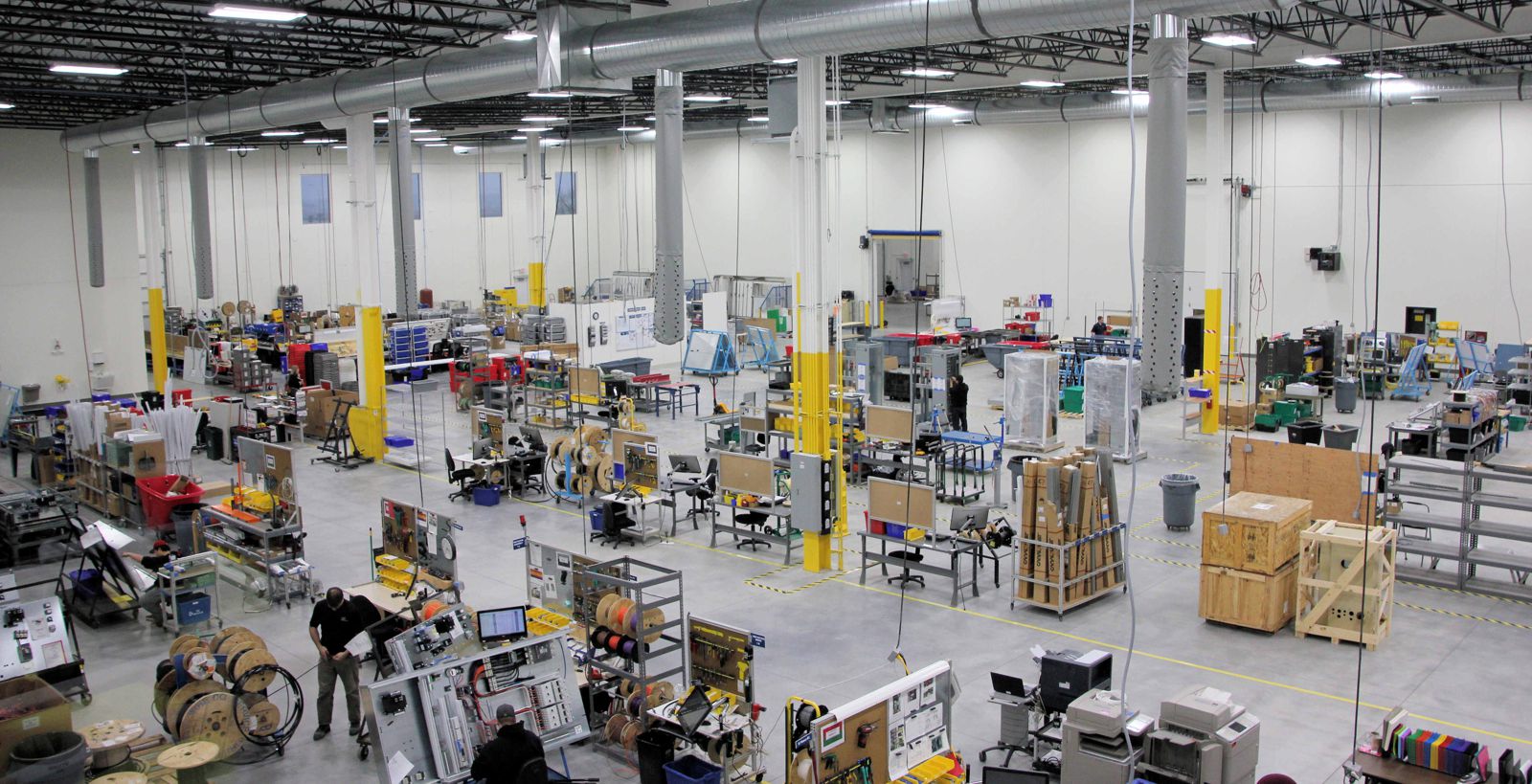
Manufacturing floor heated by a ThermaRay thermal mass system

Industrial

Thermal Mass Under a Factory Floor

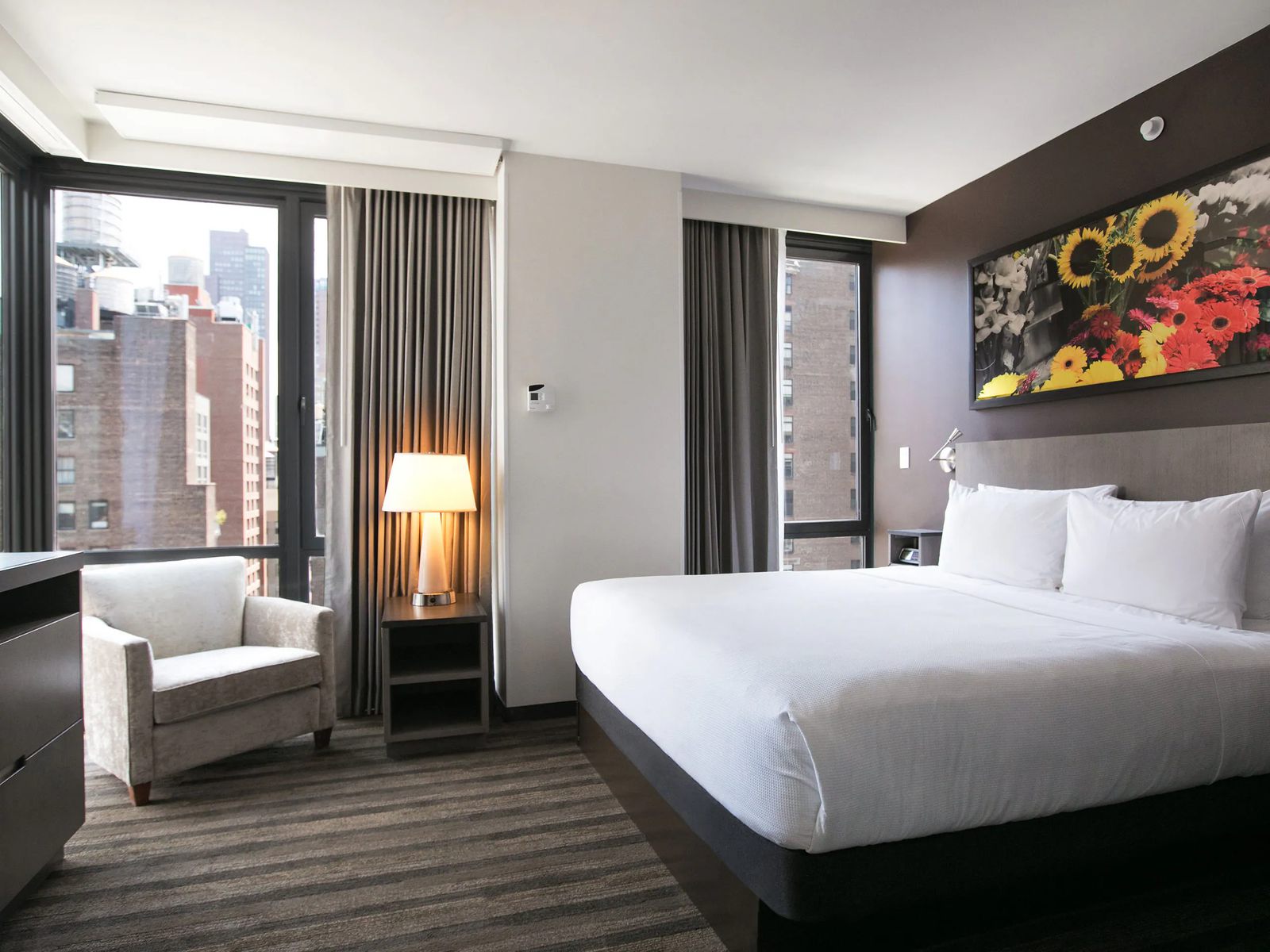
Guest room at Hyatt House in Chelsea, Manhattan, with a floor-to-ceiling window

Chelsea, Manhattan

Hyatt House

“Radiant heating panels offset the heat loss at the window while making the guest experience pleasant, providing them a gentle warmth while sitting on the bed near the curtain wall and window.”

Masha Dinaburg, Project Manager, MG Engineering D.P.C. Slim ThermaRay heaters are hidden behind the window valances.
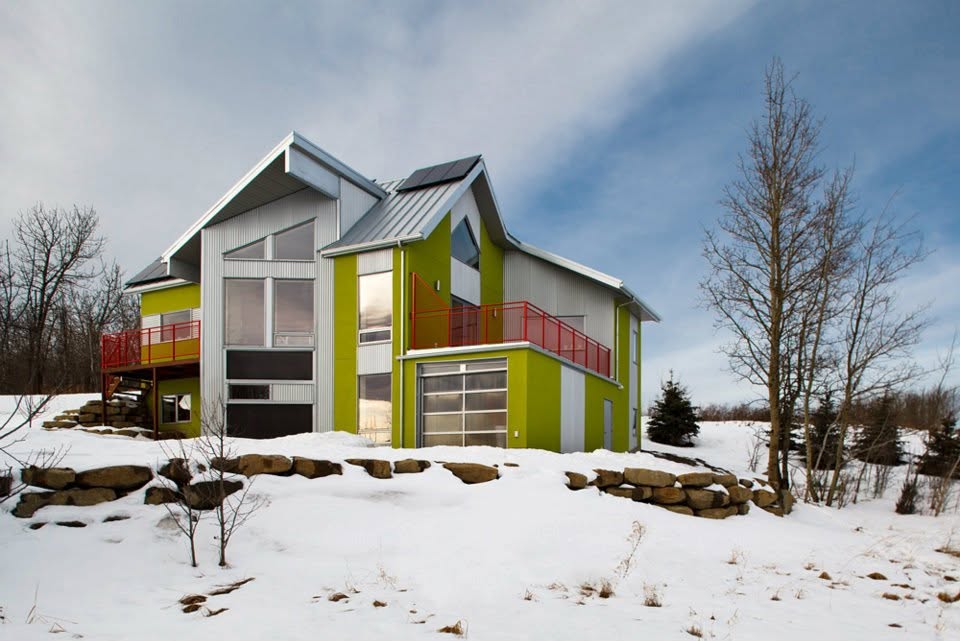
Net-zero home in the EchoHaven community in winter

Calgary, Alberta

EchoHaven Net-Zero Homes

“We could never go back to living in a standard house. The extra effort was the best investment we have ever made.”

Spencer, EchoHaven homeowner, speaking to Construction Canada. Electric radiant heat in a house built to produce as much energy as it uses.

“We're now warm enough to know we will eventually just stay the winters and give up Hawaii … crazy, eh?”

Jim B., Lake Metigoshe, North Dakota. Thermal mass floor heat replaced baseboards and a wood stove.

“The Thermal Mass Storage Heating System is easy to install and well-suited to maximum demand control … We’re talking days’ worth of storage so the money you save is enormous!”

Ray Stoodley, Lead Electrical Engineer, Bay Newplan Group, on the thermal mass system at Melville Hospital, Newfoundland.

See All 22 Projects

From first call to first warm floor.

Premier Energy USA designs and supplies the system. Most owners or local electricians handle the install, with drawings that make it straightforward.

  1. Tell us about the building

    Call or send your plans. New construction, remodel or retrofit, a single bathroom or a 500,000 sq ft facility.

  2. Get a system design

    We run a room-by-room heat loss calculation, recommend the right system, and send drawings and a quote.

  3. Install it your way

    You or your electrician install from our drawings and videos. A typical home thermal mass floor takes two people 3 to 5 hours.

  4. Choose your controls

    From a simple wall thermostat to Wi-Fi control from your phone, or thermostats hidden in a closet so nothing shows.

Common questions.

Have one that isn't here? Call 800-506-7973.

See All Questions

How much does electric radiant heat cost to run?

ThermaRay systems typically cost 35% to 70% less to operate than hydronic or forced air, depending on your power source. The manner in which we deliver the heat is exponentially increased by the Thermal Mass our system creates in a space. Electric radiant is less cost to operate than even natural gas or ground source forced air systems. Forced air and convection systems Do Not create thermal mass.

Do I need foam insulation under a heated slab?

Not recommended. Insulation limits thermal mass. The larger the Thermal Mass, the lower the operating costs. A popular misconception is that the heat will disappear into the earth and be lost energy and money. The physics of it is that if the heat was never turned off, it would keep driving the heat down, but the space above would be unbearably warm. In actuality the thermal mass created is typically 18"-30" deep because the thermostat is satisfied. Heat is like a magnet to cold and will be released into the space above when the warmth is required. warm does not transfer to warmer so once the heat reaches a temperature equal to itself, like the temperature of the earth it does not migrate any further.

Can I or my own electrician install it?

Absolutely. Great for DIY'ers, but any electrician should be able to install any of our heating systems. It's as easy as wiring a light to a switch. Premier Energy also provides the design, drawings, videos and expertise to make any installation as simple as possible.

Can radiant heat be the only heat in a building?

Yes. All of the ThermaRay heating systems can be used as the sole and primary heat source in any climate. It can also be used as supplemental or spot heating.

Is radiant heat the same as infrared?

They're closely related. Radiant heat is any heat that travels as electromagnetic waves and warms objects directly instead of the air. Infrared is the part of that spectrum, just below visible light, that's especially good at warming surfaces and people.

What area do you service?

Premier Energy provides products and services throughout all of America. Projects range from shore to shore and border to border. We have installations in nearly every state of the country. From a shopping mall in Florida to a mountain home in Idaho to High Rise Condos in New York to Hot Yoga Studios in California.

Tell us about your project.

11468 Marketplace Drive N
Minneapolis, MN 55316
What Are You Interested In?