

Radiant floor heating for concrete and basements.
ThermaRay panels go in below the slab and turn the concrete and the ground beneath it into a heat battery. It charges on cheaper off-peak power and gives the heat back all day.
- Where it goes
- Under a concrete slab
- Best for
- Slab-on-grade homes, basements, shops, warehouses, factories, farm buildings
- Role
- Primary heat
A heat battery
two feet deep.
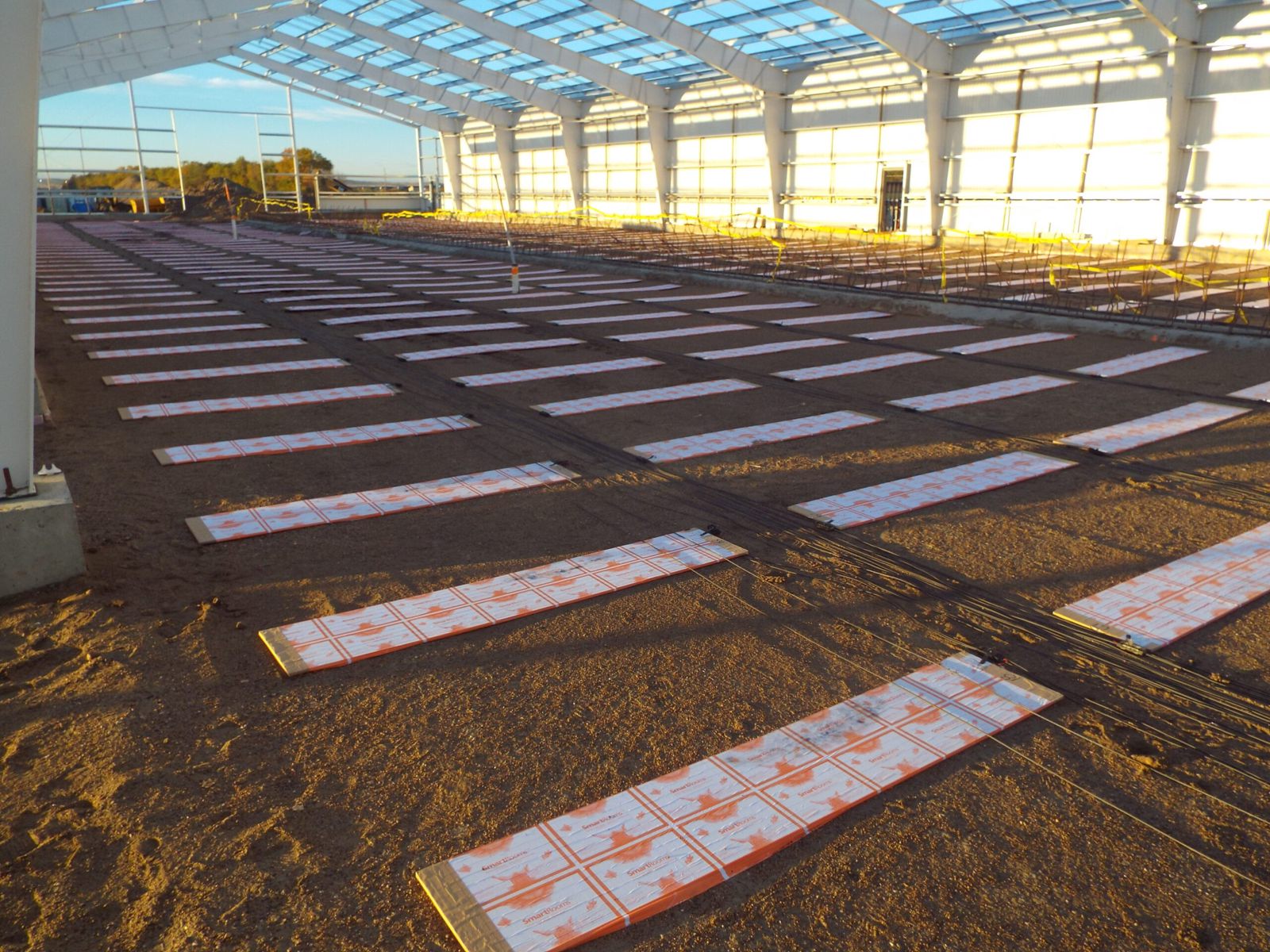
The panels are laid on the ground before the slab is poured. About 8 inches of sand goes over them, then the concrete. When the system runs, it warms a thermal mass 24 to 30 inches deep: the slab, the sand and the soil below.
The bigger the mass, the longer it holds heat and the less it costs to run. A large rock pulled from a fire stays warm long after a small one has cooled, and a deep slab works the same way.
Because the mass stores so much heat, the system can charge during off-peak hours and still keep the building warm through the day. Most Midwest power companies offer off-peak and dual-fuel rates for it.
What you get
- 35–70% less to operate than hydronic tubing or forced air
- Qualifies for off-peak and dual-fuel electric rates
- Typically 30–60% lower material cost
- No foam insulation board needed under the slab
- Installs in a fraction of the time of tubing
- No boiler, pumps or moving parts to maintain
- Takes no floor space and very little mechanical room
- A 45+ year track record with no failed systems
Why it doesn’t need foam under the slab.
Heat only moves toward something colder. Put your hand on a table and your heat goes into the table; put it on a hot cup and the heat comes to you.
Hydronic tubing usually sits on 2 inches of foam so its heat doesn’t escape downward. That foam also limits how much mass the system can use, which raises the cost to run. A ThermaRay slab heats the deep mass on purpose, and once the ground below is as warm as the mass, heat stops moving down. It only rises into the room when the room is cooler than the floor.
“We wanted a SMART and ENERGY efficient home. Part of that was having ThermaRay Heating Panels which created Thermal Mass and runs during off-peak hours. The savings is amazing.”
Specs and sizes.
| Heating element | Double Teflon-coated nickel-chromium heating wire embedded in a gypsum (sheetrock) panel. The panel just keeps the wire evenly spaced and makes it easy to ship and handle. |
|---|---|
| Panel thickness | 1/2 inch |
| Panel width | 18 inches |
| Panel lengths | 4, 5, 7 or 8 feet |
| Connections | Two hot-to-cold feed connections, with two 6-inch leads at one end of each panel |
| Covered by | About 8 inches of fill sand, then the concrete slab |
| Thermal mass depth | 24 to 30 inches |
| Insulation under panels | Not required |
Downloads
- Thermal Mass Flyer (PDF)How the system works, with install photos
- Floor Heat Spec Sheet (PDF)Panel sizes, wattages and wiring
- Control Options (PDF)Thermostats, sensors and automation choices
- LEED Points (PDF)Credits a ThermaRay system can earn
Every system can be paired with a control package, from a simple wall thermostat to full building automation. See the Controls
From the job site.
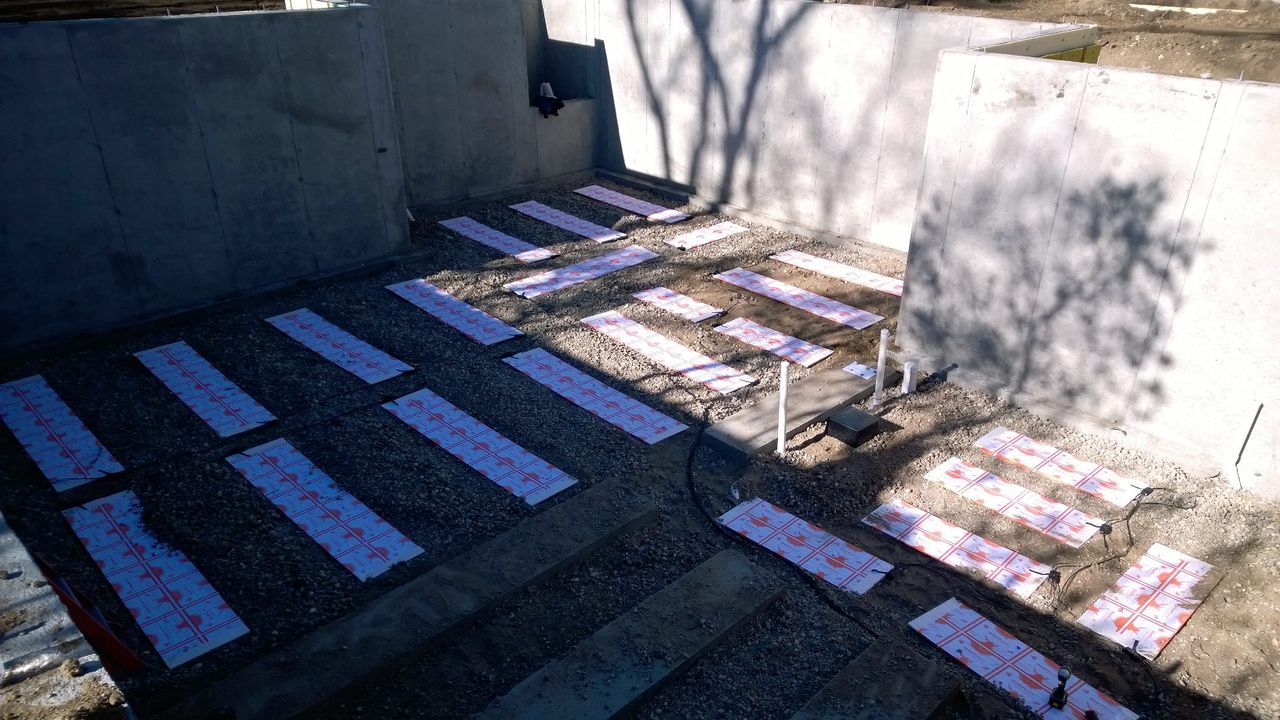
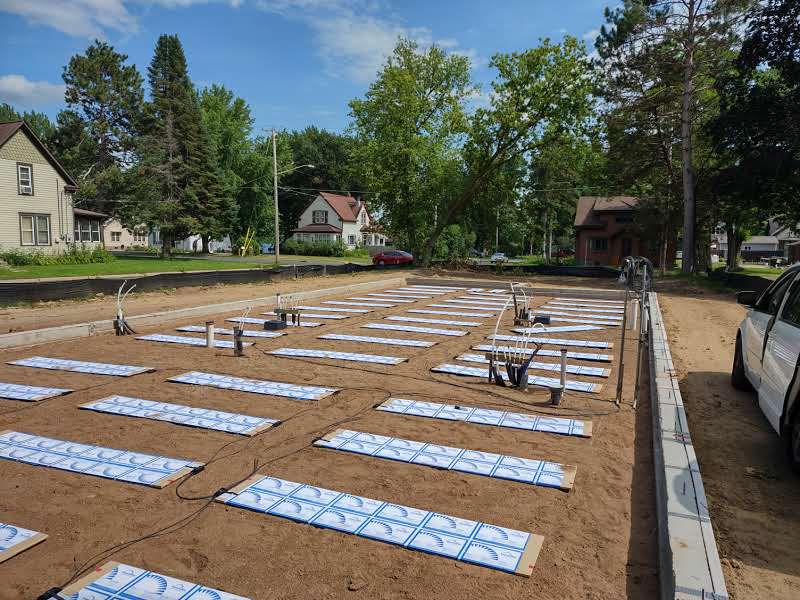
See it installed.
Installed and working.
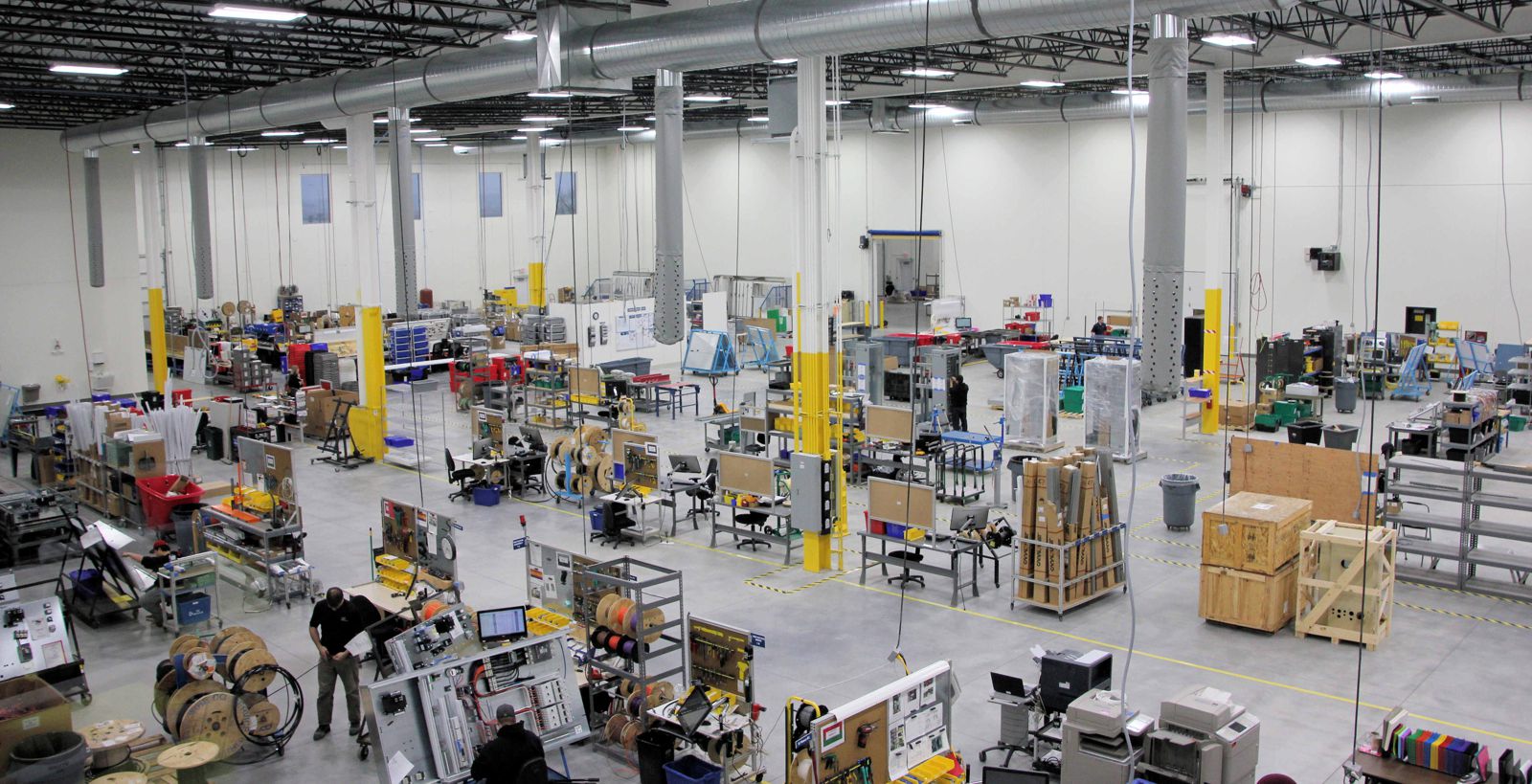
Industrial
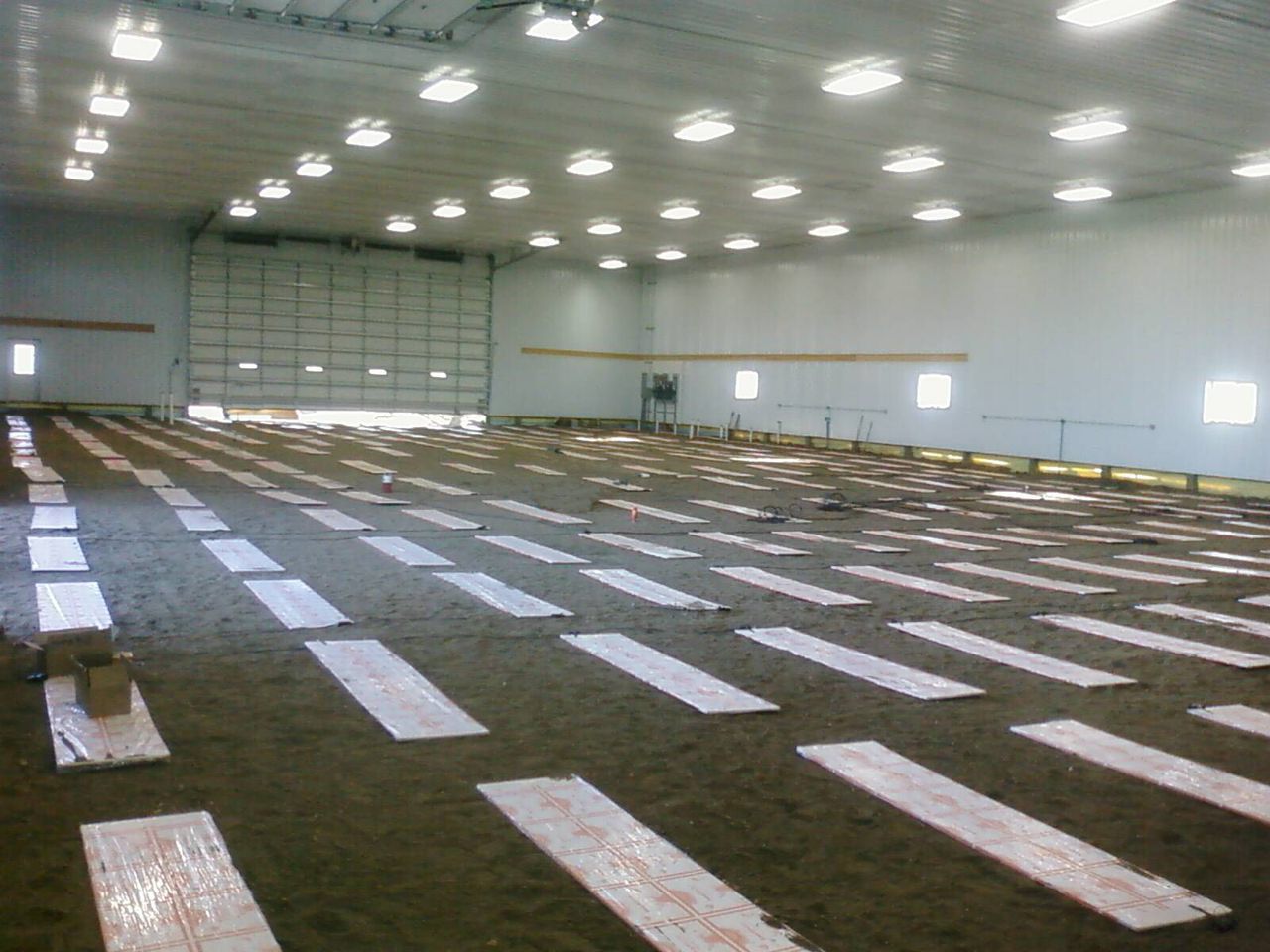
Thermal Mass Under a Factory Floor
“Down the road, our client is going to get a lot of benefits. When he realizes it’s thirty years later and he hasn’t had any maintenance costs, and you didn’t have to replace eight rooftop units … My attitude is this is the right solution.”
More projects.
See All 8 Projects-
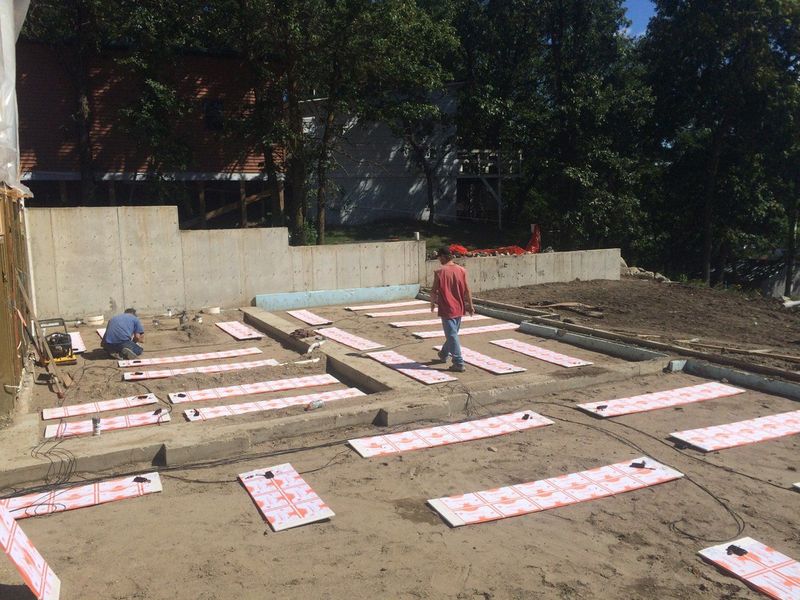 Thermal Mass Floor
Hawaii in North Dakota
Lake Metigoshe, North Dakota It’s hard to imagine electric radiant heat panels could end winter escapes to Hawaii, but for Linda and Jim B., they can finally enjoy warmth and comfort… -
 Thermal Mass Floor
Designed To Be Ready
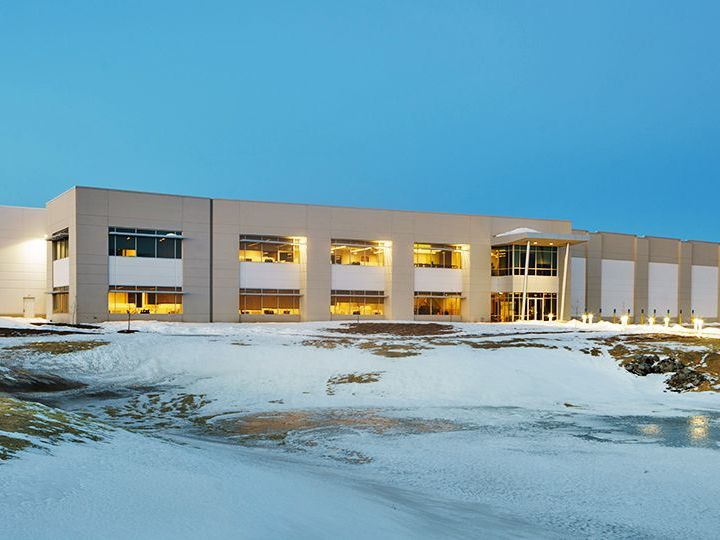
Brooklyn Park, Minnesota Design Ready Controls in Brooklyn Park, MN is saving tens of thousands of dollars per year with ThermaRay’s Thermal Mass Storage Floor Heating System… -
 Thermal Mass Floor
Reeds Sports – 10 Year Anniversary
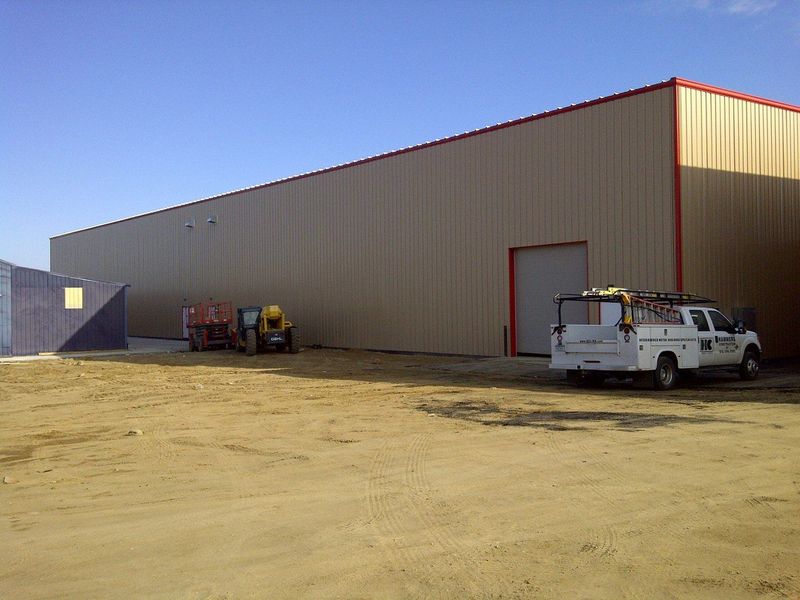
Minnesota, 2013 In 2013, Premier Energy USA installed a ThermaRay Thermal Mass Floor Heating System in Reeds Sports’ new 24,000 square foot warehouse facility.
Common questions.
Have one that isn't here? Call 800-506-7973.
More answers
How deep does the thermal mass go?
About 24 to 30 inches. The panels heat the slab, the sand over them and the soil underneath, and that whole mass stores the heat.
Can it heat a basement floor?
Yes, when the basement slab is being poured. The panels go on the ground before the pour, and the slab, sand and soil below become the heat storage. For a basement with an existing slab, floor warming cable can go on top of the slab, or radiant ceiling heating can go in overhead.
Do I need foam insulation under a heated slab?
Not with a ThermaRay thermal mass system. Heat only moves toward something colder, so it stops spreading down once the ground below matches the mass. Skipping the foam also saves on materials.
How much does radiant floor heating under concrete cost to run?
ThermaRay thermal mass systems typically cost 35% to 70% less to operate than hydronic tubing or forced air. Because the mass stores heat, the system also qualifies for off-peak and dual-fuel electric rates, which lowers the cost further.
What goes on top of the heating panels?
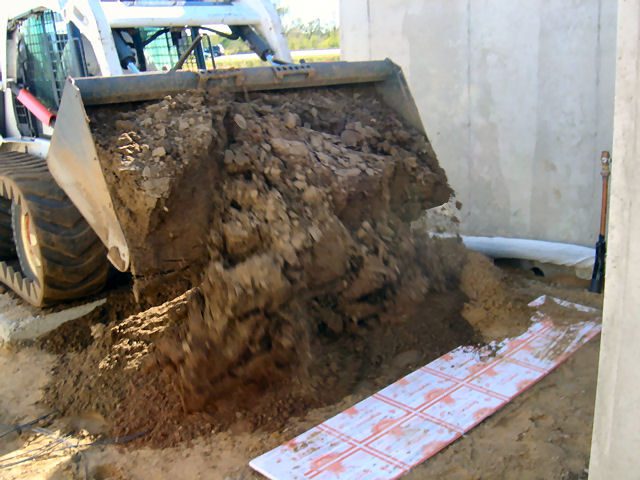
Once the panels are placed, wired and tested, about 8 inches of fill sand or similar material goes over them and is tamped if needed. The concrete floor is poured over the whole area.
Can my own electrician install it?
Yes. Most systems are installed by the owner or a local electrician. Premier Energy USA provides the design, drawings and instructions. A typical residential install takes about 3 to 5 hours with two people.
Get a design for your building.
Tell us about the space and we'll size the system room by room, with drawings and install instructions for you or your electrician.