

Why doesn’t thermal mass floor heat need insulation underneath?
Heat only moves toward something colder. The panels warm the slab and ground until it reaches the earth’s temperature, about 2 to 2½ feet down, and then stop. That deep mass stores heat, and the bigger it is, the lower the operating cost.
The question
An engineer asked how skipping insulation between the panels and the ground could work, since he expected the heat to drain into the earth: “Do you have any explanation for this or better yet any technical data backing up ThermaRay’s position on this?”
The answer
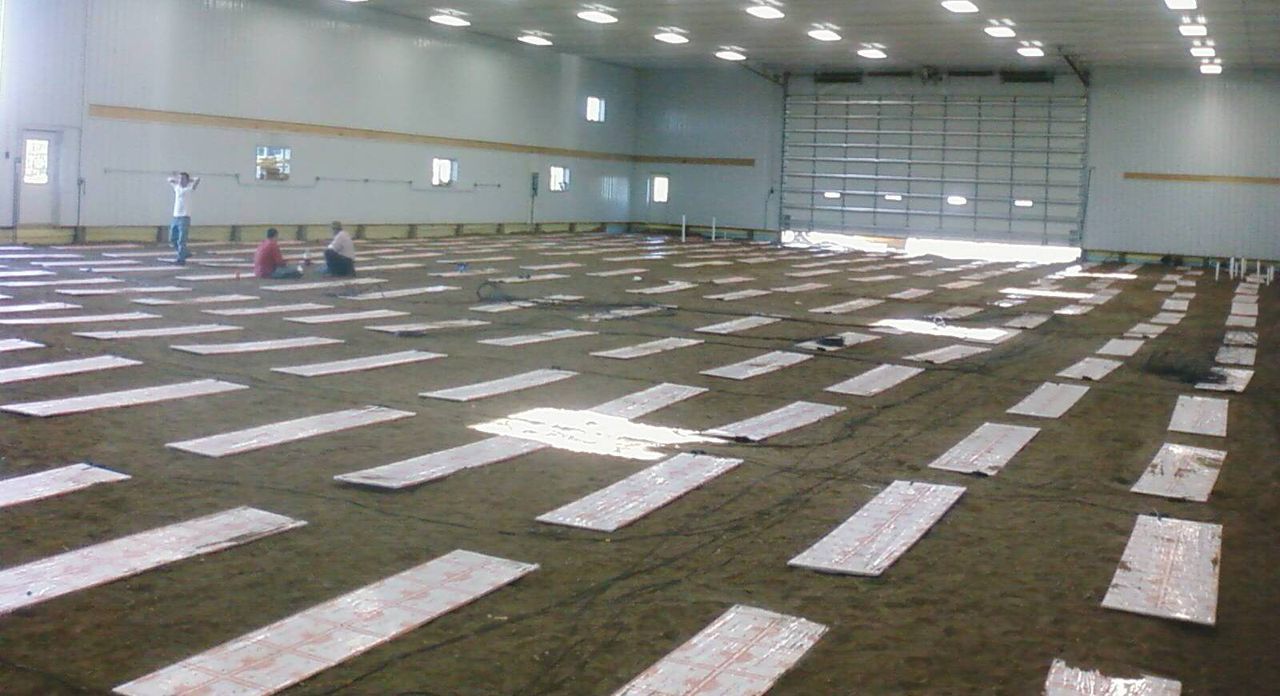
A very good and common question. Heat can only move toward something cooler than itself, the way your hand warms a desk but a hot cup of coffee warms your hand. The panels start at about 140°F. As the heat moves away from them, each layer is a little cooler, until it reaches the temperature of the earth. The thermal mass levels off about 2 to 2½ feet down, including the concrete, and goes no further because the thermostat is satisfied. It then releases that stored heat into the space as it’s needed.
Most power companies won’t accept a hydronic system with insulation under the tubes on their off-peak programs, because it won’t have enough thermal mass to hold temperature through a long cold stretch. The larger the thermal mass, the lower the operating cost. Perimeter (vertical) insulation is always a must, though.
The study
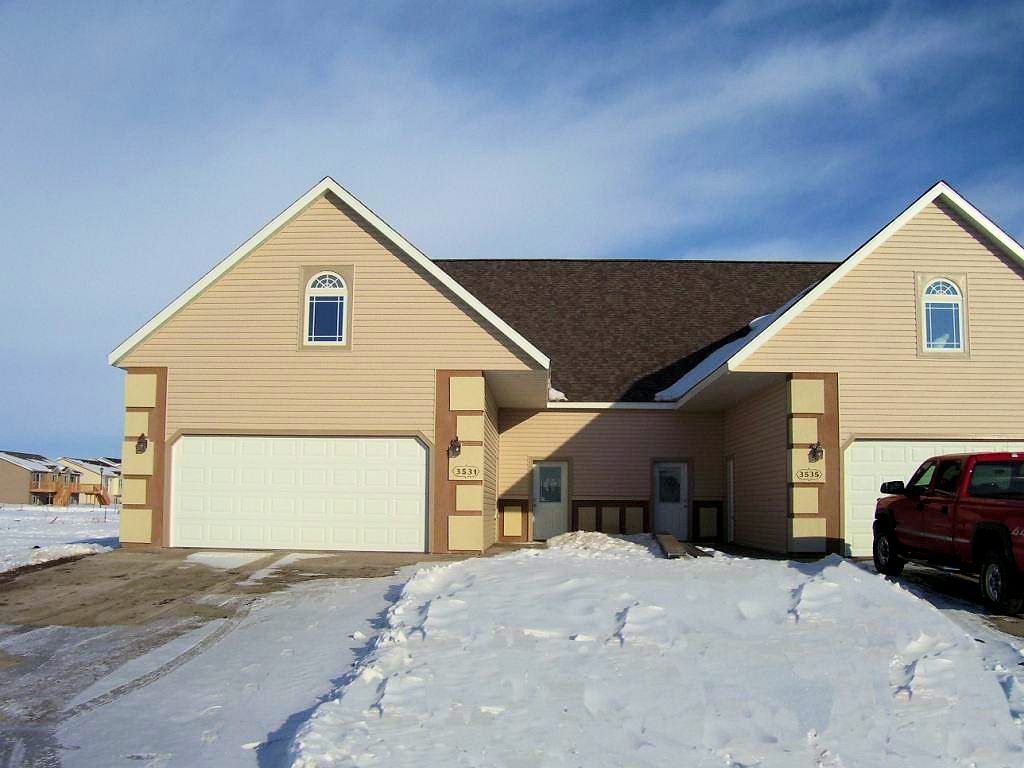
Years ago, a study in North Dakota put two ThermaRay thermal mass systems in a slab-on-grade duplex. One side was installed the usual way, with no horizontal insulation. The other was boxed in with insulation 3 feet down. After five years of data, the insulated side was slightly cheaper to run, but the difference was so small that the extra insulation and labor worked out to a 43-year payback.
If you insulate anyway
The system works with or without horizontal insulation. If an owner insists on it, it’s best placed at least 2 feet down, so there’s still thermal mass to work with. Snow melt is the exception: there, insulation under the panels is recommended so the surface heats fast.
Read the Original Articles: To Insulate or Not to Insulate and Insulation or Not for Floor Heating
More questions.
See All Questions-
Costs and Efficiency
How efficient is radiant heat, really?
Efficiency percentages are mostly marketing. Real operating costs are a better test: ThermaRay systems typically cost 30% to 60% less to run than forced air, baseboard, hydronic or infrared heat, with no maintenance or replacement. -
Costs and Efficiency
Does thermal mass floor heat work in large buildings?
It works better. A 1,200 sq ft building may need 10 to 12 watts per square foot, while a 100,000 sq ft building typically needs 5 to 8. High walls, lots of glass and dock doors are hard for forced air, but radiant heat only has to warm the bottom 6 feet, where people are. -
Costs and Efficiency
In a cold climate, should I spend more on heating or cooling?
Heating. In colder climates homes heat about ten times more than they cool. A radiant ceiling typically costs half as much to run as gas forced air and a third less than electric forced air, so pair it with simple, well-placed AC.
Have a question of your own?
Call or describe your project, and you'll get a straight answer, with real operating costs from similar buildings.