

Calgary, Alberta
Electric Radiant Heating and EchoHaven: Net-Zero Community in Calgary
- Home
- 2,700 sq ft, net-zero energy
- Heat needed
- 6 watts per sq ft
- Insulation
- Walls R59, roof R108, floor R70
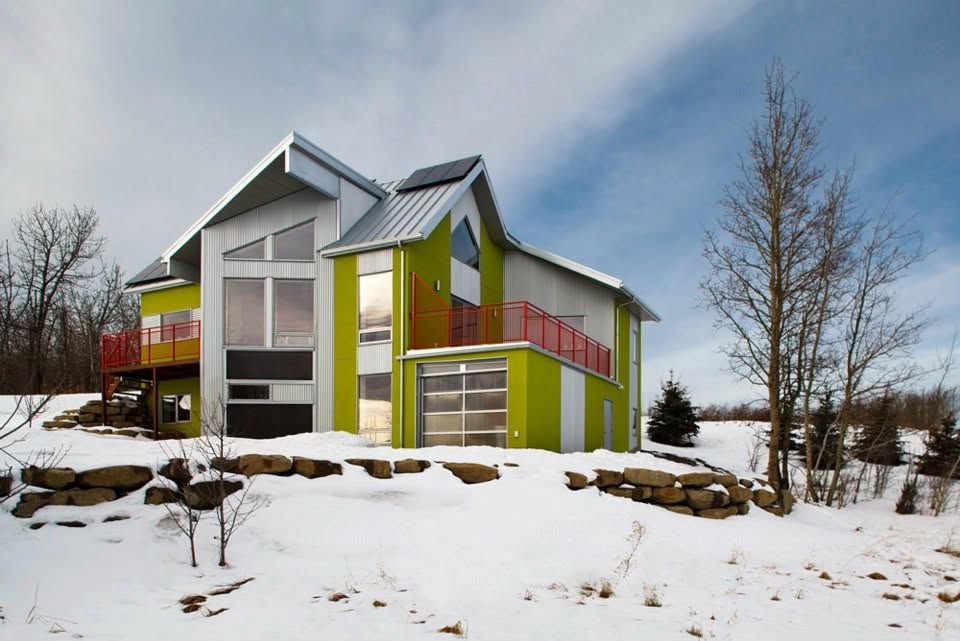
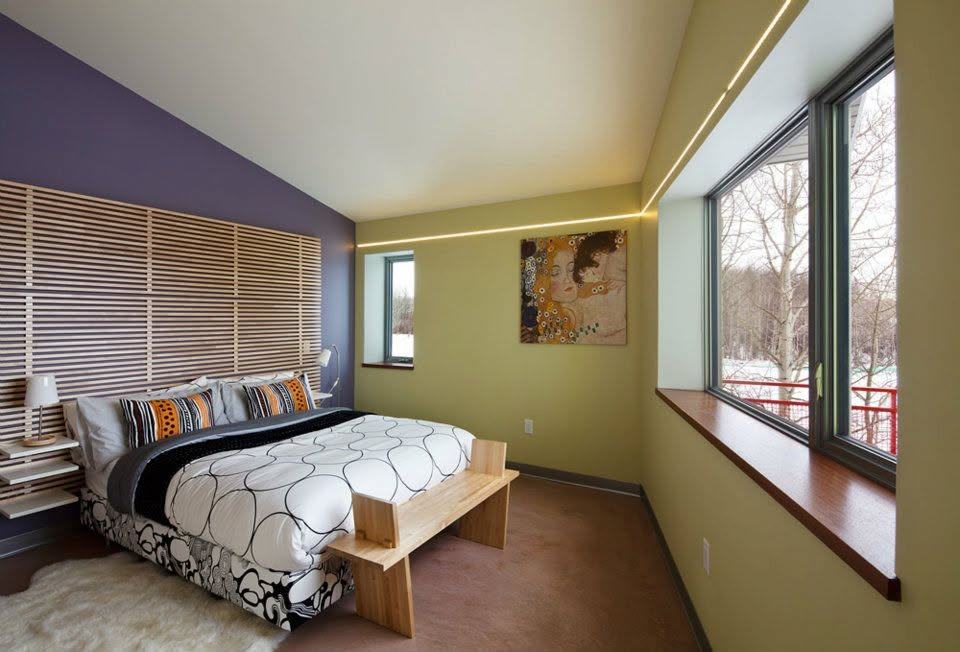
In any climate, building an all-electric, net-zero energy home powered entirely by solar panels requires a dedicated homeowner, along with a team of qualified sustainable-building experts.
Constructing such a home in a Canadian climate, where during winter nights the temperature may dip down into the -20s, drives a narrative that results in a completely different story, especially when electric radiant heating and net zero are your goals.
In northwest Calgary, five like-minded families have created an environmentally-focused neighborhood called EchoHaven. Located in the Rocky Ridge area, EchoHaven is a small neighborhood of 25 homes with a focus on sustainable building and caring for nearby natural areas. The neighborhood focuses on quality of life, minimal environmental footprint, healthy and extremely energy-efficient homes, solar-heating strategies, and water conservation initiatives.
The engineer wanted a cost effective approach, providing the best comfort and most importantly, meet the needs of a Net Zero energy home. He didn’t think that the cost to do this should be any more expensive than building a standard home. The only exceptions, of course, were added insulation, use of solar panels and the home being well constructed.
Modeling Electric Radiant Heat and Net Zero
When the main engineer began considering electric radiant heat, he was getting conflicting stories when researching the technology.
- It was too costly.
- It was too complicated.
- There was maintenance involved.
No one could agree to the best approach to use radiant heat. As he became more and more frustrated, he decided to do his own research.
ThermaRay’s Electric Radiant Heating Systems
After contacting ThermaRay, the engineer learned constructing any “green” or Net Zero energy building using a radiant heating system really isn’t complicated. All that is required is a room-by-room heat loss calculation of the house. That ensures more heat than necessary isn’t installed, thus minimizing costs.
Then we recommend which of our SmartRooms products is best for his application. In this case it was our radiant ceiling system. In particular, our SmartRooms systems don’t interfere with his design nor would he have to make modifications to accommodate a heating system. There’s no maintenance thus allowing him to work in his home, not on it.
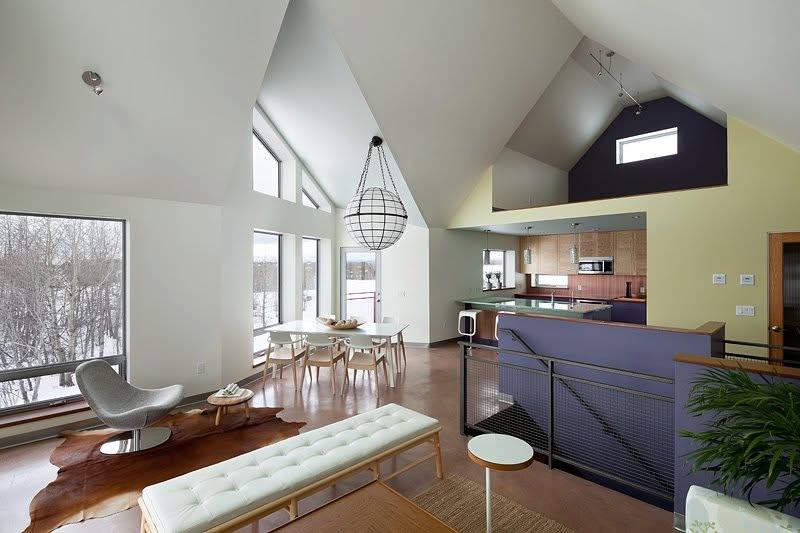
The home utilizes radiant electric-heat panels developed by ThermaRay. The panels are hidden behind thick drywall ceilings, allowing the drywall to capture more of the released heat. Thick drywall (5/8”) and concrete floors act as thermal mass that helps absorb and retain heat gain from the passive solar heating as well.
As temperatures drop at night, the heat from the sun that was captured during the day is released into the home, enabling the home to utilize electric radiant heating and net zero as the goal. Two solar thermal panels integrated into the exterior finishes supply part of the household’s solar thermal/on-demand hot water heating.
The walls achieve an impressive R59 insulation rating—significantly higher than building code. This is achieved through three-and-a-half inches of two-pound polyurethane insulation, along with eight inches of dense pack cellulose insulation fiber at the interior, which protect the home from frigid Calgary winters. The roof achieves a whopping R108 insulation rating. The floor is R70. The home’s passive house design, with a focus on extreme air tightness, shields the couple from the outside elements.
What About Costs?
His next question was, of course, cost. Our over-the-phone quick price estimate was significantly less than what he was quoted for other systems and our approach made a lot more sense to him. Then we proceeded to discuss the “green” advantages of an electric radiant heating system. Gas systems, due to their CO2 emissions, were not an option in this green community.
Once we had his house plans we could precisely determine the amount of heat he needed and where it needed to be. The resulting price of $3.50 per square foot was significantly better than his other quotes. This also included a high end heating control center for the whole house. Due to its low energy needs, despite being in a very cold climate, the house only required 6 watts/sq. ft.
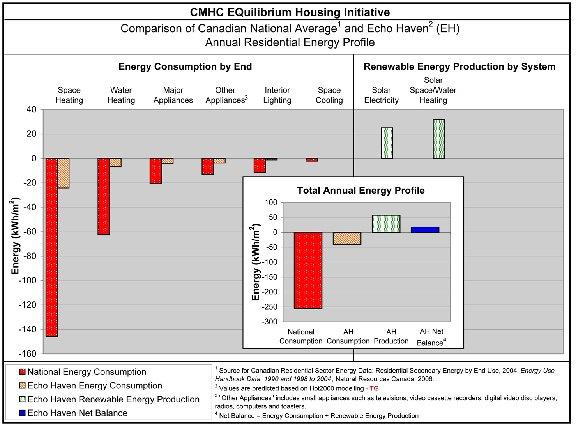
This is the estimated energy profile for a NetZero Energy Home.
Energy Efficiency and Lessons Learned
The project received plenty of media coverage and was available for tours. In fact, people passing through the home were so impressed with the heating system, it led to other sales. As to the comfort – “The house has been well received especially when it was (-31 F) outside and toasty warm in the house”.
This 2,700 square foot home, surrounded by forests and natural ponds, is now finished and occupied. The last step to finish the story is to obtain real living condition operating costs. A third party is monitoring the energy usage and once the data on a complete heating season, with occupants, has been compiled we’ll report on those findings.
The key here is that we’ll have additional proof of an installed heating system. Many manufacturers make energy efficiency claims that are based only on lab tests or none at all. Not under real world conditions, as the owner of this project discovered. These claims go uncontested, causing confusion at best. At worst, substantially higher costs to the owner. This study will go a long way in clearing up the confusion.
A Sustainable Community Model with Electric Radiant Heat and Net Zero
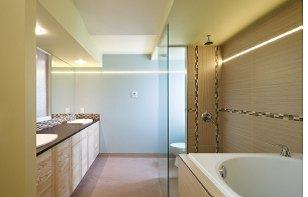
The home certainly is a model of sustainability, energy efficiency, and optimum thermal performance.
As of March 2018, the home, designed and built to produce as much energy as it consumes, was just one of 15 high-performance structures completed in the planned, low-impact neighborhood of 25 homes.
After living in their EchoHaven house, Spencer told Construction Canada that extensive thought and research went into the decision-making around insulation, heating systems, renewables, indoor air quality, and keeping building costs and electricity bills low, with electric radiant heating and net zero as a goal.
“What we did not anticipate was how much we love the feel of the house…,” he added. “We could never go back to living in a standard house. The extra effort was the best investment we have ever made.”
Adds designer Kim Walton, the EchoHaven house was the outcome of an effective collaborative design process. “The project incorporates elegant simplicity and clever solutions that have raised the bar for sustainable homes. A client who loves their home is the true measure of a successful project.”
More radiant ceiling projects.
See All Radiant Ceiling Projects-
 Radiant Ceiling
The Vandewater – Luxury Living
Manhattan, New York The Vandewater – Luxury Living Features primary & secondary bedrooms with invisible Radiant Ceiling Heating Systems supplied by Premier Energy USA Premier… -
 Radiant Ceiling
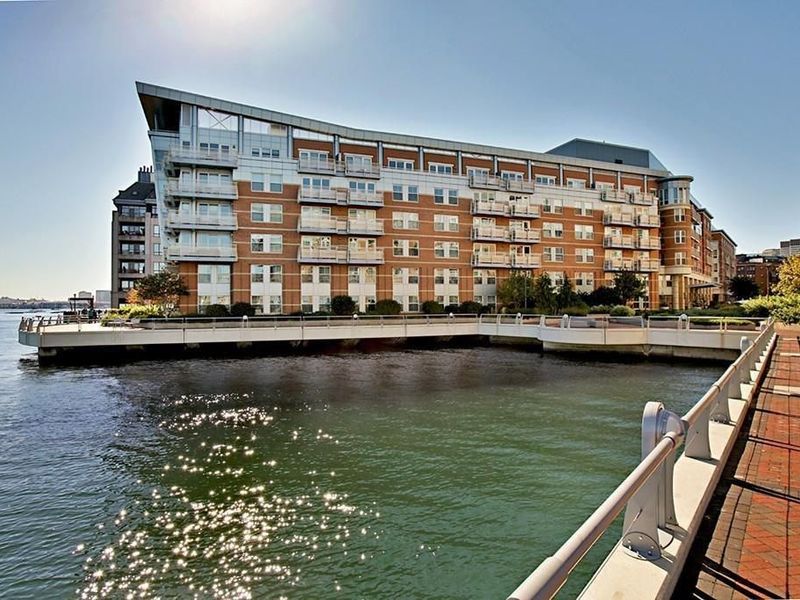
Boston Wharf Warmth
Boston, Massachusetts The owners of this condo will now be able to intimately enjoy their beautiful view of the harbor at Battery Wharf in Boston all year round. -
 Radiant Ceiling
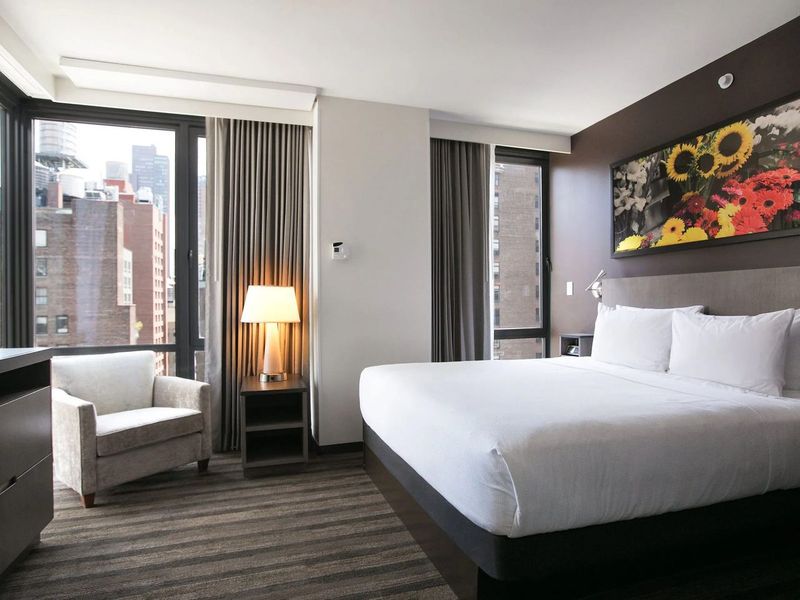
Warm Hospitality with Electric Radiant Heat
Chelsea, Manhattan, 2016 Published in Green Building and Design Magazine – January 2017
Planning a project like this?
Tell us about the building and we'll size the system room by room, with drawings and install instructions for you or your electrician.